Behavioral Health Compliance: Software vs. Spreadsheets 

For behavioral health clinics, compliance isn’t just about checking boxes; it’s about protecting patients, staff, and your organization’s reputation. Yet many clinics still rely on spreadsheets to track incidents, audits, attestations, and training. 

If you’ve ever wondered whether it’s time to move beyond manual tracking, this guide compares spreadsheets vs. Compliance Manager and shows why specialized software is the best fit for behavioral health compliance. 


Why Spreadsheets Fall Short in Behavioral Health Compliance 

Behavioral health organizations face unique regulatory demands: 

  • Multiple channels for incident reporting: employees, patients, and family members. 
  • Customizable audits across different services and treatments. 
  • Training and attestations to confirm staff understanding, especially when treatments may alter a client’s state. 

Spreadsheets create risk because they are: 

  • Manual and error-prone: simple mistakes can lead to missed reports or incomplete records. 
  • Hard to scale: tracking compliance across multi-site clinics quickly becomes unmanageable. 
  • Lacking visibility: no dashboards, trends, or heat maps to guide executive decision-making. 

When it comes to a behavioral health compliance software comparison, spreadsheets simply don’t measure up. 


Compliance Manager vs. Spreadsheets

Feature Spreadsheets Compliance Manager
Incident Reporting Manual entry, siloed  Three input channels (employees, patients, family members) integrated in one system 
Audit Tracking Limited, one-size-fits-all  Fully customizable audits tailored to any service line 
Training & Attestations Requires manual tracking or reminders  Automated reminders, attestations, and completion tracking
Risk Management  Static lists Custom dashboards showing trends and risks  
Scalability  Difficult for multi-site clinics  Built for both small and multi-site behavioral health clinics


If you’re evaluating the best tools for regulatory compliance in behavioral health, Compliance Manager is built with your needs in mind: 

  • Capture incidents seamlessly from multiple stakeholders. 
  • Audit anything with customizable modules. 
  • Ensure staff compliance through built-in training and attestations. 
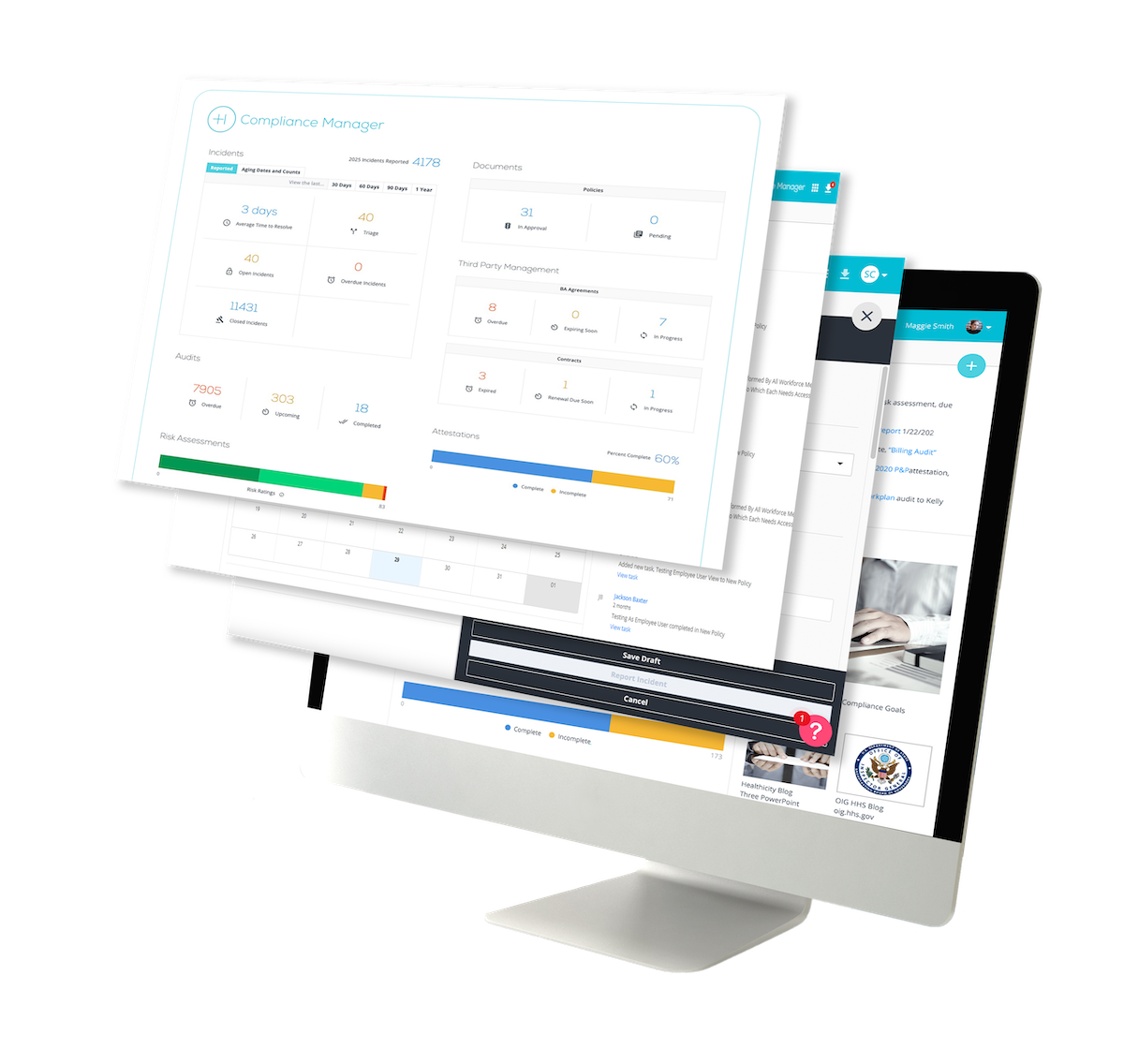
  • See the big picture with dashboards that highlight trends, risks, and action items. 

It’s the best alternative to spreadsheets for compliance—helping behavioral health organizations move from reactive reporting to proactive risk management. 


How to Choose Compliance Software for Behavioral Health 

When deciding between spreadsheet vs. software for behavioral health compliance, ask: 

Does it reduce manual work
and errors?

Can it scale
as your clinic grows? 

Does it integrate incident reporting, auditing, training, and risk management in one place? 

Does it help communicate compliance clearly to executives? 

With spreadsheets, the answer is usually no. With Compliance Manager, it’s always yes.

Why It’s Time to Upgrade 

Behavioral health clinics can’t afford the risk of manual compliance tracking. Spreadsheets may seem simple, but they create hidden vulnerabilities that can impact patient safety, regulatory standing, and organizational growth. 

Compliance Manager offers a modern, scalable, and customizable solution, making it an ideal compliance software for behavioral health clinics ready to replace spreadsheets once and for all. 

Ready to see how Compliance Manager can transform your compliance program?


Compliance Manager Multi-Screen Mockup 2025